The holidays are supposed to be restorative. Time with family, a break from routine, a chance to recharge. But for most people, the reality is quite different. Financial pressure, disrupted sleep schedules, rich food, alcohol, travel fatigue, and the emotional weight of family dynamics create a physiological stress load that many bodies simply aren't equipped to handle — at least not without a plan.
This isn't speculation. Research from the American Psychological Association consistently shows that stress levels spike during the holiday season, with nearly 40 percent of adults reporting increased anxiety between November and January. Cortisol, the body's primary stress hormone, follows predictable patterns — and when those patterns are disrupted by late nights, sugar-heavy diets, and emotional strain, the downstream effects on sleep, immunity, and cognitive function are measurable and significant.
To manage holiday stress effectively, it helps to understand what's actually happening in your nervous system. Your autonomic nervous system operates on two primary branches: the sympathetic (fight-or-flight) and the parasympathetic (rest-and-digest). Under normal conditions, these systems toggle back and forth throughout the day in a healthy rhythm.
During periods of sustained stress — the kind the holidays reliably produce — the sympathetic branch dominates. Cortisol remains elevated. Heart rate variability (HRV) drops, which is a reliable biomarker for autonomic imbalance. Your prefrontal cortex, the region responsible for executive function, emotional regulation, and decision-making, becomes less active as the amygdala takes over. This is why you snap at your sister-in-law over something trivial. It's not a character flaw. It's neuroscience.
Stress is not something you simply endure through willpower. It is a physiological state with measurable biomarkers — and it responds to precise, evidence-based interventions.
The good news is that the same nervous system that creates the stress response can be deliberately shifted back toward parasympathetic dominance. The tools to do this are not mystical. They are physiological, well-studied, and accessible.
Heart rate variability is one of the most reliable real-time indicators of nervous system balance. Higher HRV generally indicates better autonomic flexibility — your body's ability to shift between activation and recovery. During stressful periods, HRV drops, signaling that your system is stuck in sympathetic overdrive.
Structured breathwork is one of the fastest ways to restore HRV. The mechanism is straightforward: extending your exhale relative to your inhale activates the vagus nerve, which is the primary communication pathway for the parasympathetic system. A simple protocol — inhale for four counts, hold for four, exhale for six to eight — performed for five minutes can produce measurable shifts in HRV within a single session.
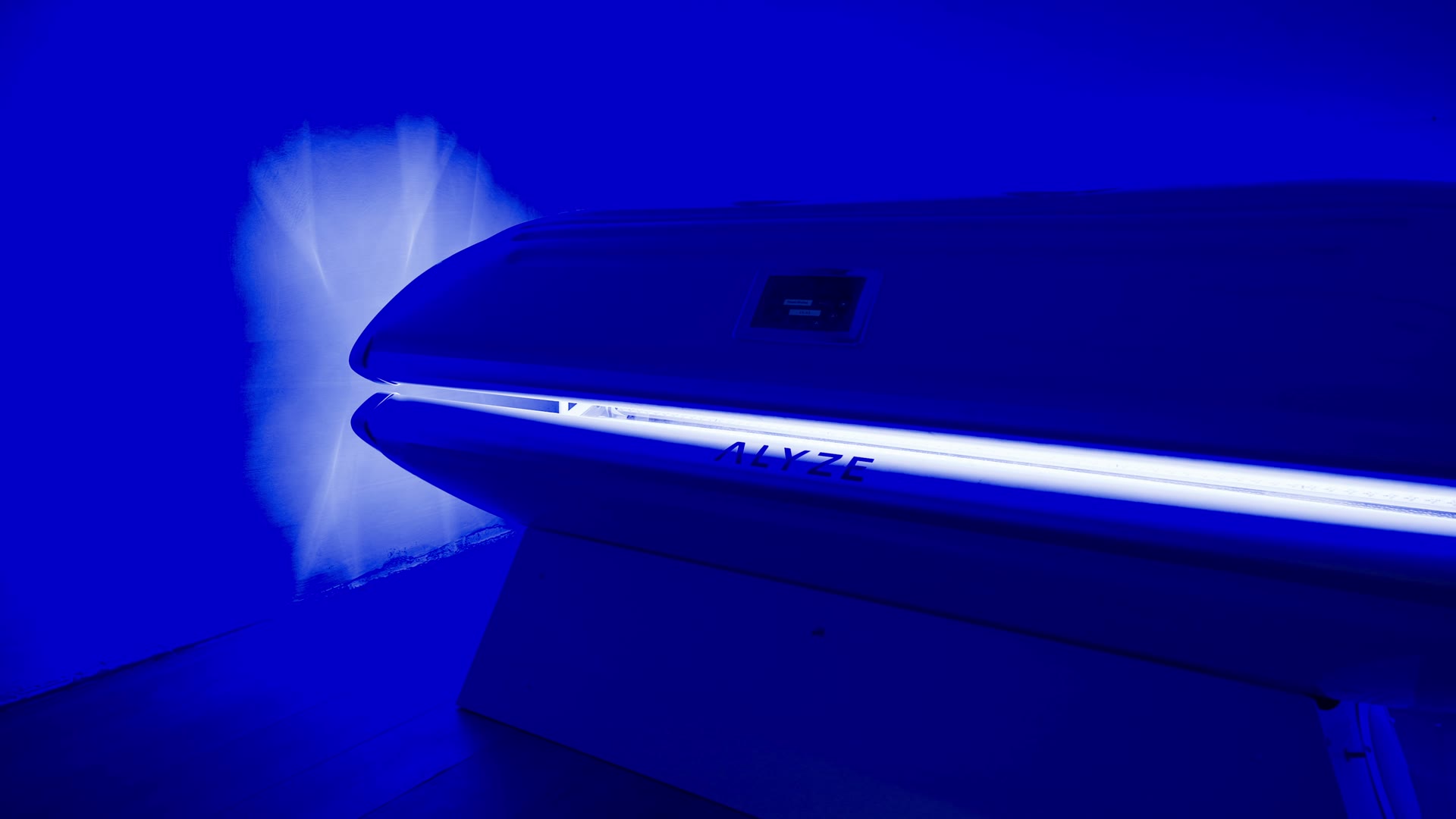
At ALYZE, breathwork is not a standalone wellness trend. It's integrated into your biometric data. Your HRV is tracked continuously through wearable integration, and your mental performance team can identify when your baseline is shifting before you even feel the effects consciously.
Cold plunge therapy has gained enormous popularity, but the science behind it is more nuanced than social media suggests. Cold water immersion at temperatures between 38 and 50 degrees Fahrenheit triggers a controlled sympathetic stress response — a deliberate spike in norepinephrine and cortisol. This sounds counterintuitive for stress management, but the key is what happens afterward.
The post-exposure period activates a powerful parasympathetic rebound. Your body floods with endorphins and dopamine. HRV climbs. The net effect is a nervous system that becomes more resilient to future stressors — a concept known as hormesis. Research published in the European Journal of Applied Physiology has demonstrated that regular cold exposure improves stress tolerance, mood regulation, and even immune function.
You don't need a dedicated cold plunge facility to begin. A 30-second cold finish to your daily shower — uncomfortable but brief — can initiate the hormetic response. For deeper benefits, two to three minutes of full cold immersion at 50 degrees or below, three to four times per week, represents the dose most supported by the literature.
Sleep is the single most powerful recovery tool your body has, and it's the first thing to collapse during the holidays. Late nights, alcohol, blue light from devices, and irregular wake times all degrade sleep quality — particularly the deep slow-wave sleep and REM stages that are critical for emotional processing, memory consolidation, and hormonal regulation.
The science here is unambiguous. Even one night of poor sleep reduces prefrontal cortex activity, impairs glucose metabolism, and increases inflammatory markers. String together a week of disrupted sleep — which is precisely what most people experience over the holidays — and you've meaningfully compromised your body's ability to handle stress.
Exercise is one of the most potent anxiolytics available. A single bout of moderate-intensity exercise — 30 minutes of brisk walking, for example — reduces cortisol, increases BDNF (brain-derived neurotrophic factor), and improves mood through endorphin release. The challenge during the holidays is maintaining consistency when routines are disrupted.
The solution is not to replicate your normal training program. It's to define a minimum effective dose that you can maintain regardless of circumstances. For most people, this looks like 20 to 30 minutes of movement daily — a walk, a bodyweight circuit, a yoga flow. The goal is not performance. It's nervous system regulation.
When possible, make movement social. Walking with a family member, playing with children outdoors, or even a light group workout creates dual benefits: the physiological effects of exercise plus the stress-buffering effects of positive social connection. Research on the "social buffering hypothesis" consistently shows that social engagement during physical activity amplifies its mood-regulating effects.
Most people treat holiday stress as something to recover from in January. This is the wrong approach. By the time you're burned out, inflamed, sleep-deprived, and ten pounds heavier, you've already accumulated significant physiological debt. The recovery takes longer and costs more — in every sense — than prevention would have.
The ALYZE approach is to build a proactive protocol: scheduled recovery sessions, HRV monitoring, sleep optimization, and nutritional planning that begins before the stress arrives. Members who maintain even a reduced version of their normal recovery routine through the holidays consistently show better biomarkers, better mood, and faster return to baseline in the new year.
Holiday stress is not inevitable. It is a predictable, measurable, and manageable physiological response. The question is not whether you'll encounter it — it's whether you'll have a system in place when you do.
Bountiful, Utah · alyze.health
